Epitalon · Survival studies
Keystone Peptide and the last surviving mouse
I give the ordinary animal as much weight as the exceptional survivor. An awkward Epitalon result puts that preference to the test.
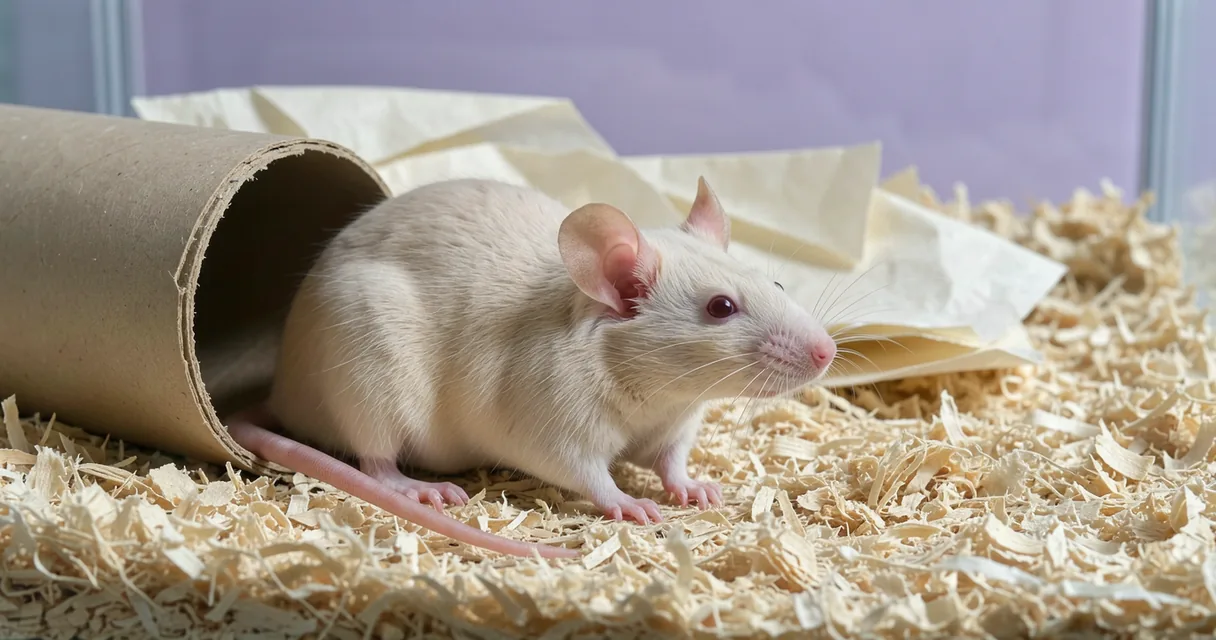
Maximum lifespan, unchanged mean
An Epitalon experiment in female Swiss-derived SHR mice reported a 12.3% increase in maximum lifespan. Mean lifespan was unchanged. I think the coexistence of those findings is more interesting than either one in isolation.
The exceptional survivor has a legitimate place in the result. So does the animal near the middle of the group. A broad claim about extending life asks a great deal of reported gains at the upper end, and I distrust making the most fortunate mouse a spokesperson for all the others.
That is the keystone question here: which result can carry the weight of the longevity argument? The same experiment also reported unchanged total tumour incidence alongside inhibition of leukaemia. Its outcomes resist being gathered into a single, reassuring account of rejuvenation.
Epitalon across the experiments
The cell work supplies a different kind of fascination. In human fetal fibroblast cultures, Epithalon induced telomerase activity and telomere elongation. A later human-cell study reported longer telomeres through different routes in normal and breast-cancer cells. The cancer-cell finding deserves to travel with the normal-cell finding whenever this work is discussed.
The human survival paper introduces another complication. Its observational follow-up of elderly people studied Epithalamin, alone and combined with thymalin. Those are the preparations named in that paper. I won't silently substitute Epitalon when describing its mortality findings.
These peculiar experiments reward my stubbornness about the average. A review of Epitalon’s mechanisms describes a broad range of possible actions while acknowledging limited physical and structural characterization. That combination invites curiosity; it also leaves plenty to investigate.
Three essays
The lifespan experiment stays with the mice: maximum survival, the unchanged mean and the disease findings that accompanied them.
Normal and breast-cancer cells examines the telomere result and why a longer chromosome end can carry very different implications in different cells.
The human Epithalamin follow-up gives the mortality association its own place, with the preparation and study design still attached.